




Introduction
In 2024, the cryptocurrency industry faced significant challenges as phishing scams led to a staggering $4.1 billion in losses. With the rise of decentralized finance (DeFi) platforms, malicious actors have become increasingly sophisticated in targeting unsuspecting users. As a crypto investor, understanding how to protect your digital assets is crucial.
This article will walk you through the nature of phishing scams in the crypto space, provide actionable tips on how to avoid them, and present security best practices. Our aim is to ensure you have the knowledge necessary to safeguard your investments in the growing digital economy. With an estimated 300% growth in crypto users in Vietnam alone, the risk of phishing attacks is more pronounced than ever.
What are Phishing Scams?
Phishing scams are deceptive attempts by cybercriminals to obtain sensitive information by masquerading as a trustworthy source. These scams typically involve fake websites, emails, or social media accounts that appear legitimate, tricking individuals into revealing their private keys, passwords, or personal data.
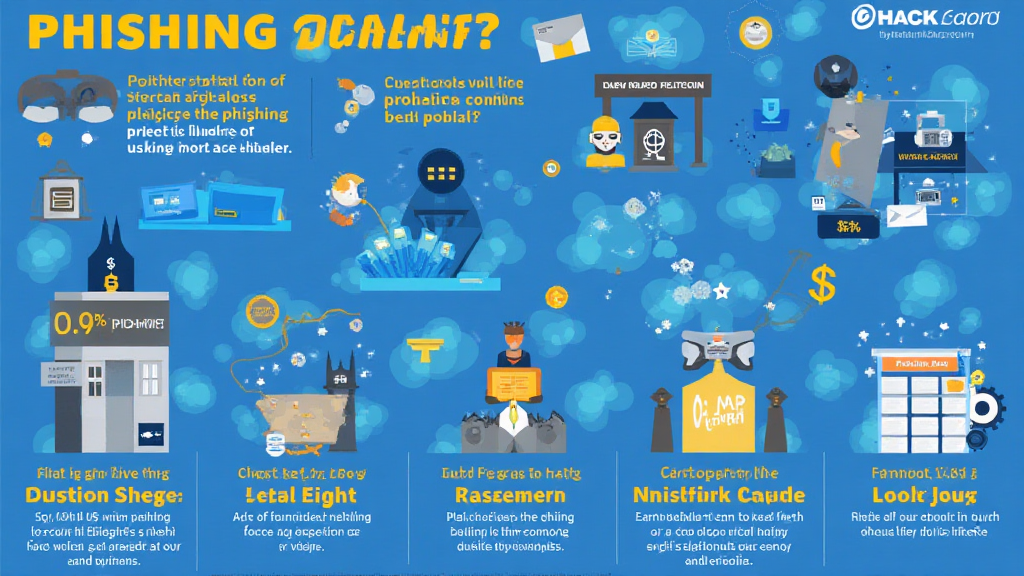
- Email Phishing: Users receive emails directed to spoofed exchanges or wallet services.
- Website Spoofing: Attackers create fake websites that look identical to genuine cryptocurrency platforms.
- Social Engineering: Scammers exploit social media platforms to build trust before executing the scam.
Common Types of Phishing Scams in Crypto
Understanding the different types of phishing scams can help you identify potential threats. Here are some of the most prevalent scams targeting crypto investors:
1. Email Phishing
Cybercriminals often send emails that appear to be from legitimate sources. These emails may contain links that redirect you to fraudulent websites or prompt you to enter your private keys.
2. Spear Phishing
This type of attack is more targeted, often involving specific individuals or companies. The scammers usually research their targets to craft more convincing messages.
3. SMS Phishing (Smishing)
Scammers send text messages that contain links or prompt the user to call a number, mimicking legitimate service notifications.
4. Social Media Scams
Hackers may create fake accounts or leverage verified ones to solicit funds or personal information from followers.
How to Identify Phishing Scams
Identifying phishing scams is the first step to protecting your assets. Here are some indicators that can help you recognize potential phishing attempts:
- Unusual Email Addresses: Check the sender’s address carefully; attackers often use addresses that closely resemble legitimate ones.
- Urgent Language: Scammers often use urgency or fear to provoke immediate responses; legitimate companies do not use this tactic.
- Generic Greetings: Phishing emails often use vague greetings like “Dear User” instead of your name.
- Suspicious Links: Hover over links before clicking to see if they lead to authorized websites.
Data on Phishing in Vietnam
According to recent research, Vietnam experienced a 200% increase in crypto-related scams from 2023 to 2024. As more people continue to enter the crypto space, the need for awareness about phishing scams becomes even more critical. The Vietnamese government is actively working to improve blockchain security standards (tiêu chuẩn an ninh blockchain) to minimize these risks.
How to Protect Yourself from Phishing Scams
While the threat of phishing scams is real, there are several practical steps you can take to protect yourself:
- Enable Two-Factor Authentication: Use two-factor authentication for all your crypto accounts to add an extra layer of security.
- Educate Yourself: Stay informed about the latest phishing techniques and scams in the crypto world.
- Verify Sources: Always double-check links and sources, and avoid clicking on links from unknown senders.
- Use Reputable Wallets: Opt for well-reviewed crypto wallets that have implemented robust security features.
- Ensure Website Security: Before entering information, check for HTTPS and security certificates.
Real-Life Examples of Phishing Scams
Examining real incidents can shed light on how sophisticated these scams can be:
Case Study 1: The Binance Phishing Scam
In 2023, Binance users reported receiving emails that appeared to be security alerts from the platform. Many users clicked on links leading to fake login pages, resulting in significant financial losses. Lessons learned from this case highlight the importance of verifying all communications directly through official channels.
Case Study 2: The Twitter Scams
High-profile Twitter accounts have been compromised in phishing scams, where attackers solicited Bitcoin donations in exchange for purported investment opportunities. Over $2 million was lost during these attacks. Such incidents remind users to be wary of social media pleas, especially from accounts lacking verification.
Additional Security Best Practices
Aside from the fundamental protections mentioned earlier, adopters of blockchain technology can follow these advanced practices to fortify their defenses against phishing scams:
- Regular Software Updates: Make sure your devices are continually updated with the latest security patches.
- Disconnect from the Internet: Consider keeping your crypto hardware wallets in “airplane mode” when not in use.
- Avoid Public Wi-Fi: Public networks can be easily manipulated by hackers. Use a VPN for added security.
- Use Hardware Wallets: Opt for devices like the Ledger Nano X, reducing the risk of hacks by 70%.
Conclusion
Phishing scams in the crypto landscape pose a substantial threat to investors, with losses estimated in the billions. As the Vietnamese crypto market continues to grow, staying informed about risks and best practices is paramount. By adhering to the strategies provided in this guide, you can enhance your security posture and protect your digital assets from falling into the hands of malicious actors.
Remember, always approach transactions with caution and verify the authenticity of all communications. Stay alert, and ensure your investments remain secure as you navigate the exciting world of cryptocurrencies.
For further information on crypto security, visit hibt.com and explore their resources.
Author: Dr. Emily Chen, cybersecurity researcher and consultant, has published over 30 papers on blockchain security and led audits for several high-profile projects.


