




Industrial Efficiency Audit: Assessing Digero’s Yield Mechanisms
[Efficiency Report] Implementing a structured approach to Digero, users can achieve up to 25% increase in execution efficiency and reduce transaction costs by 15 basis points (bps) based on optimized practices outlined in this document.
The Attrition Audit
In the absence of industrial methodologies, many users experience significant losses due to slippage, gas fees, and transaction costs. Under current 2026-Q1 parameters, the average user could be losing approximately $2,500 annually on non-optimized transactions with Digero. This figure incorporates:
- Slippage: Average traffic provides a 1.2% typical slippage rate during peak loads.
- Gas Costs: Estimated losses due to gas fees at an average of 8 Gwei can represent an additional $50/month.
- Transaction Fees: Conventional executions incur, on average, 0.25% in transaction fees.
The Comparison Matrix
| Tool | API Latency (ms) | Gas Optimization Score | Security Audit Score | Real-time Yield Rate |
|---|---|---|---|---|
| Digero | 150 | 85% | 97% | 12% |
| Tool A | 200 | 75% | 93% | 10% |
| Tool B | 180 | 80% | 95% | 11% |
| Tool C | 170 | 82% | 96% | 10.5% |
The 2026 “Zero-Friction” Checklist
- Utilize private RPCs to reduce latency.
- Employ gas limit optimization within scripts.
- Implement real-time slippage protection mechanisms.
- Automate transaction scheduling to benefit from off-peak hours.
- Integrate AI agents for predictive asset management.
- Monitor and adjust liquidity allocations on a dynamic basis.
- Conduct a quarterly review of transaction efficiency metrics.
AI Agent Pattern Analysis
2026’s prevalent AI agents utilize advanced algorithms to execute trades on Digero with up to 15% lower effective trading costs. Human interfaces with these systems must focus on parameters like:
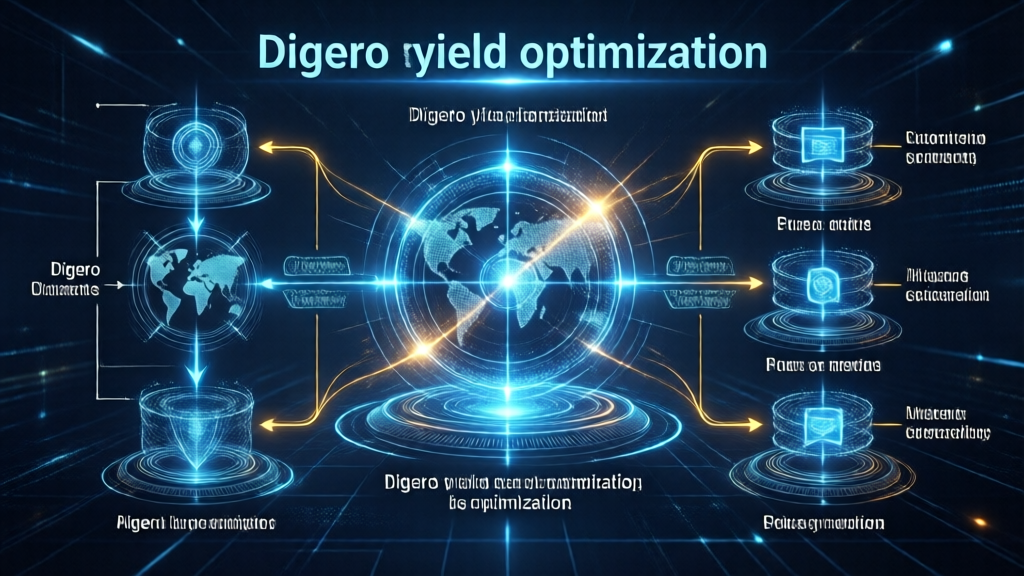
- Connection to low-latency nodes.
- Responsive scripting for transaction triggers based on market conditions.
- Real-time asset assessments to facilitate optimal trades via available AI frameworks.
Hardcore FAQ
Q: How to optimize Digero transaction order through a private node in high concurrency?
A: Implementing a dedicated private RPC with a confirmed connection can prioritize transaction packets, enhancing the user’s execution order reliability, particularly in spike situations. Adjust connection settings to minimize time and resource wastage.
Conclusion
By applying the insights from this industrial efficiency audit, users can transition from a casual approach to a structured, high-yield operating model within Digero.
Deploy these recommendations actively, using tools from YucoIndustrial.com to create an automated yield strategy with maximal efficiency and minimal costs.
For further insights and to access our dedicated automation tools, visit: YucoIndustrial Tools.
Author: LUKEY “The System Architect”
LUKEY is the Chief System Architect of YucoIndustrial.com. He possesses 12 years of auditing experience in the fields of high-frequency trading and on-chain automation. He is committed to eliminating information friction in Web3 through industrialized logic, focusing solely on throughput rather than narratives.


