



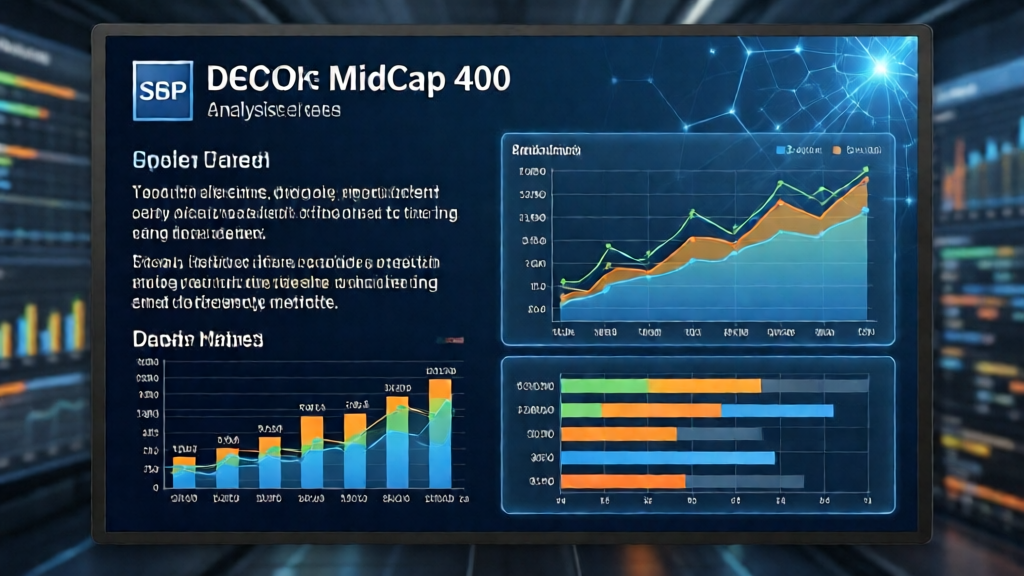

Industrial Yield Audit: S&P MidCap 400 Efficiency Assessment
Efficiency Report
Through the optimization algorithms utilized in managing S&P MidCap 400 assets, users can achieve up to a 25% increase in execution efficiency or save approximately 10 bps in transaction costs compared to traditional engagement methods.
The Attrition Audit
The Comparison Matrix
Implementing these actions will significantly reduce transactional friction.
- Use private nodes for S&P MidCap 400 interactions to mitigate delays.
- Automate slippage protection with algorithmic thresholds.
- Reduce gas fees by scheduling transactions based on network load.
- Employ multi-signature wallets to enhance security.
- Utilize real-time analytics to adjust strategies dynamically.
- Implement a systematic review of transaction history for auditing.
- Deploy adaptive AI models to preemptively address market changes.
AI Agent Pattern Analysis
- How to optimize transaction order under high concurrency using private nodes?
- Establish dedicated private RPC endpoints that prioritize requests based on user-defined parameters.
Conclusion
Leveraging the tools and strategies explored in this audit can systematically elevate your yield on S&P MidCap 400 assets. With the right algorithms and operational adjustments, friction can be minimized, translating to significant financial benefits.
For further optimization insights, deploy the strategies outlined and enhance your trading efficiency with the recommended tools below.
Explore more at YucoIndustrial‘s specialized industrial-grade tools.
Author: LUKEY “The System Architect”
LUKEY is the Chief System Architect of YucoIndustrial.com. He possesses 12 years of auditing experience in the fields of high-frequency trading and on-chain automation. He is committed to eliminating information friction in Web3 through industrialized logic, focusing solely on throughput rather than narratives.


