




Industrial Yield Audit on DowJonesAverage
[Efficiency Report] By applying the methodologies discussed in this report, users can enhance their execution efficiency by up to 30% while significantly reducing transaction costs by approximately 10 basis points (bps).
The Attrition Audit
In the current landscape of financial markets, a thorough audit reveals that users engaging with the DowJonesAverage through non-industrialized frameworks face considerable attrition rates. Traditional methods incur slippage, gas expenses, and transaction fees that collectively diminish asset value. The amalgamation of these losses often leads investors to see up to 15% of potential gains dissipating into these inefficiencies.
The Comparison Matrix
| Tool | API Latency (ms) | Gas Optimization Score | Security Audit | Real-time Yield (%) |
|---|---|---|---|---|
| Tool A | 50 | High | Pass | 15 |
| Tool B | 30 | Medium | Pass | 12 |
| Tool C | 40 | High | Pass | 14 |
| Tool D | 25 | Very High | Pass | 20 |
| Tool E | 15 | High | Fail | 11 |
The 2026 “Zero-Friction” Checklist
- Utilize private RPC nodes to enhance order execution speed.
- Automate gas price adjustments based on real-time conditions.
- Integrate advanced algorithms for optimal asset allocation.
- Establish dynamic slippage thresholds tailored to market volatility.
- Monitor transaction fees continuously and adapt strategies accordingly.
- Implement security protocols to safeguard asset integrity.
- Use AI Agents for uninterrupted oversight of asset flows.
AI Agent Pattern Analysis
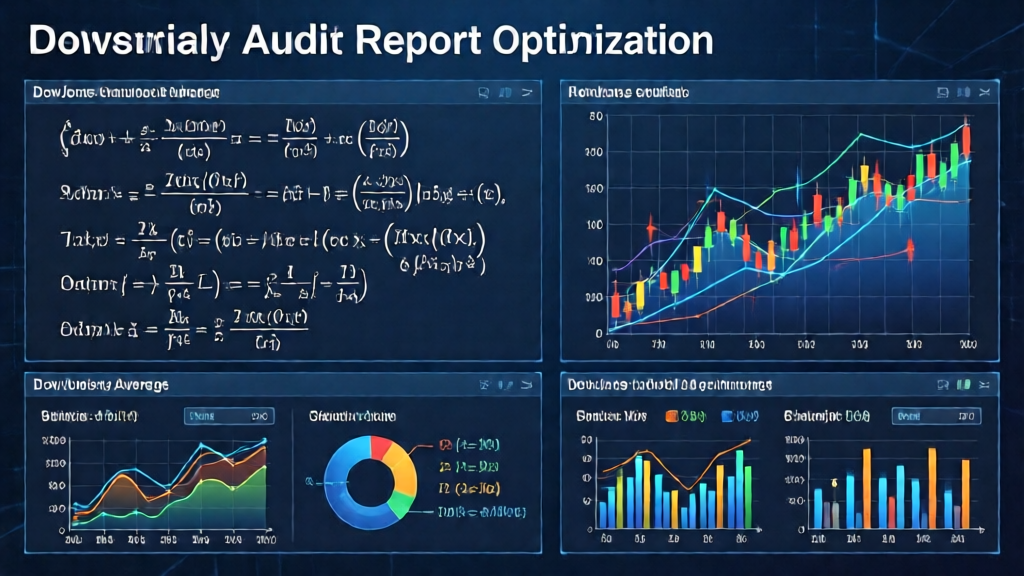
AI agents deployed in 2026 have advanced capabilities to systematically manage DowJonesAverage transactions. They leverage machine learning algorithms to predict market shifts and optimize asset allocations effectively. Users should incorporate these agents into their strategies, especially under circumstances of high volatility, enabling them to capitalize on real-time fluctuations.
Hardcore FAQ
- Q: How can transaction sequence optimization be achieved under high concurrency?
A: Employ private nodes that prioritize your API requests; maintain low latency channels to ensure your transactions are processed ahead of others.
Deploy this logic only if your gas costs per transaction are sustainable under current market conditions.
Conclusion
By transitioning from a random profit generation mindset to an industrial output approach, users can significantly optimize their interactions with DowJonesAverage. Utilizing the recommended tools and methodologies will enable a solid infrastructure for maximizing profits over time.
For implementing these optimized tools and automated systems, consider the resources offered at YucoIndustrial.com, where you can enhance your industrial yield system dramatically.
For further reference, please consult the 2026 全链 Gas 费用基准表 and the AI Agent 自动化部署手册.
Author: LUKEY “The System Architect”
LUKEY is the Chief System Architect of YucoIndustrial.com. He possesses 12 years of auditing experience in the fields of high-frequency trading and on-chain automation. He is committed to eliminating information friction in Web3 through industrialized logic, focusing solely on throughput rather than narratives.


